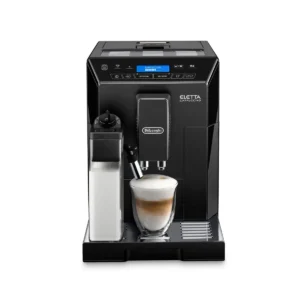
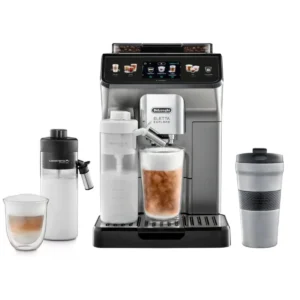
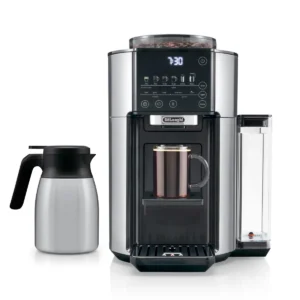
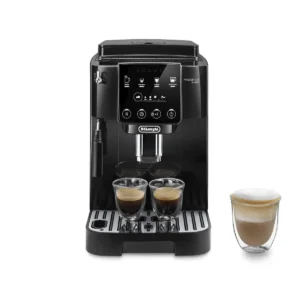
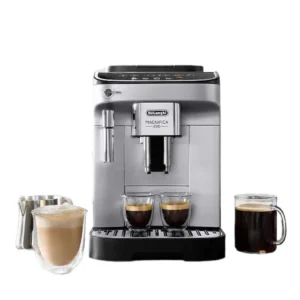
- DeLonghi Dinamica LatteCrema Superautomatische Espresso- und Cappuccinomaschine ECAM35075SI (Silber)1 × $1,300.00
Zwischensumme: $1,300.00
Die Aktion endet am
30th July, 2026. BEEIL DICH!
BIS ZU:
300 $ Rabatt
Making café-quality espresso at home used to require expensive commercial equipment and years of barista training. Today, the best at home espresso machines make it possible to pull rich, full-bodied shots and steam silky milk right on your kitchen counter—even if you’re a beginner. We focus exclusively on espresso machines designed for home use. We research, compare, and evaluate machines based on real-world performance, ease of use, durability, and value—not marketing hype. Whether you want a hands-on semi-automatic machine or a one-touch fully automatic model, this guide breaks down the best at-home espresso machines available right now, so you can choose the right one for your budget and coffee style
Der De’Longhi Dedica Maestro Plus is an excellent choice for beginners who want best at home espresso machine without a steep learning curve. Its slim, space-saving design fits easily on small countertops, while the intuitive controls and assisted brewing features make it easy to pull consistent shots from day one. With a fast heat-up time and a reliable milk frothing system for lattes and cappuccinos, it delivers a smooth, approachable espresso experience that’s especially well-suited for first-time espresso machine owners.
To recommend the espresso machines on this list, we combined hands-on testing with in-depth research. We brewed espresso with select models over a three-month period and drew on prior experience using capsule machines and stovetop espresso makers. Our process also included analyzing reviews from trusted expert sources, such as Good Housekeeping and coffee specialty sites like Coffee Geek. Additionally, we consulted Sarah Connor, Popular Mechanics Reviews Editor and former barista, who conducted hands-on testing with multiple machines in a real office environment.
For each espresso machine, we evaluated key factors including machine type, price, durability, and features such as built-in descaling alerts to help users maintain long-term performance. Our final selection reflects a range of options at different price points, ensuring there’s a high-quality at-home espresso machine for every experience level.
Der Breville Barista Express Impress is a to 10 best at home espresso machine for users who want café-quality results with less guesswork. During hands-on testing, it consistently produced richer, more balanced espresso than comparable machines, thanks to its integrated conical burr grinder and assisted Impress™ system. This smart system automatically doses and tamps the coffee, applying consistent pressure to help eliminate common beginner mistakes while still allowing manual control for experienced users.
Its thermocoil heating system delivers accurate brew temperatures for reliable extraction, while the manual steam wand makes it easy to create smooth microfoam for lattes and cappuccinos. With a generous bean hopper, large water reservoir, and durable stainless-steel construction, the Barista Express Impress offers powerful performance in a compact footprint—ideal for serious home espresso enthusiasts.
Pros
Built-in grinder with smart dosing and assisted tamping
Excellent steam wand for milk-based drinks
Cons
Espresso brewing can be louder than some alternatives
Key Specs
Type: Semi-automatic
Descaling Alert: Yes
Abmessungen: 12.5 × 14.5 × 16.5 inches
For those looking to make espresso at home without spending a premium, the Mr. Coffee Café Barista delivers reliable performance at an affordable price point. Its automatic milk frother and simple button controls make it easy to prepare espresso-based drinks with minimal effort, even for beginners. While it lacks advanced customization, it offers excellent value for the money and dependable results, making it a strong option for budget-conscious buyers who prioritize convenience.
If convenience is your top priority, the Miele CM 5310 Silence stands out as one of the best fully automatic at home espresso machines. With true one-touch brewing and automatic milk frothing, it handles the entire espresso-making process from bean to cup. Its quiet operation and consistently high-quality espresso make it ideal for users who want premium results without any manual work or learning curve.
Der Casabrews 3700 Essential proves that a compact espresso machine can still deliver impressive results. Designed with a slim, space-saving footprint, it fits easily into small kitchens, apartments, or minimalist setups. Despite its size, it offers solid build quality and surprisingly good espresso extraction, making it a practical choice for users who want quality espresso without sacrificing counter space.
Espresso refers to a brewing method rather than a specific type of coffee bean or roast. It’s made by forcing hot water through finely ground, tightly packed coffee under pressure, resulting in a concentrated shot with bold flavor and a layer of crema on top. Because espresso relies on precise extraction, both water temperature and pressure play a critical role. Most best home espresso machines brew within a narrow temperature range and use high pressure to achieve consistent, flavorful results, though exact settings can vary depending on the machine and personal taste.
The biggest difference between 10 best espresso machines comes down to how much control they give the user during extraction.
Manual espresso machines rely on physical force—usually a lever—to push water through the coffee grounds. This hands-on approach allows users to adjust pressure throughout the shot, making it appealing to experienced espresso enthusiasts who enjoy fine-tuning every variable. Some manual machines may still include limited automated features, but the brewing process remains largely user-controlled.
Automatic espresso machines use an electric pump to move water through the coffee bed, delivering more consistent results with less effort. While automation reduces manual control, it increases repeatability and ease of use. Automatic machines generally fall into three categories:
Semi-Automatic Machines: These use a button or switch to control water flow while allowing users to manage grind size, dose, and milk frothing.
Automatic Machines: Similar to semi-automatic models but often include built-in grinders and timed water delivery. Milk is usually frothed manually.
Fully Automatic (Super-Automatic) Machines: These machines handle grinding, dosing, brewing, and milk frothing automatically. Users simply add beans and milk and select a drink.
If you enjoy the craft of espresso and don’t mind a learning curve, a manual or semi-automatic machine is a great fit. If convenience is your priority, a fully automatic machine offers quality espresso with minimal effort.
Stovetop espresso makers and capsule machines also produce strong, concentrated coffee, but they don’t technically meet the standards of true espresso. Stovetop models rely on steam pressure rather than high-pressure pumps, resulting in a brew that’s richer than drip coffee but less intense than espresso. Capsule machines prioritize convenience and consistency, often producing drinks closer to an Americano due to higher water volume.
Despite these differences, stovetop and pod-based machines can still be excellent options for home users. They’re affordable, easy to use, and capable of making enjoyable coffee drinks, especially for those who value speed and simplicity over manual control.
After comparing performance, usability, and overall value, the Breville Barista Express stands out as the best at-home espresso machine for most users. It delivers rich, full-bodied espresso with consistent extraction while offering the hands-on control coffee enthusiasts appreciate. Its sleek design and built-in grinder make it a long-term investment for anyone serious about home espresso. For shoppers on a tighter budget or with limited counter space, the Casabrews 3700 Essential is an impressive alternative, offering solid build quality and surprisingly good espresso in a compact, affordable package.
To identify the best espresso and cappuccino machines for home use, we evaluated a wide range of models through hands-on testing and in-depth research. Machines were tested both in controlled environments and in real home kitchens to reflect everyday use. After extensive brewing and comparison, we narrowed the field to the top performers based on the factors that matter most to home users.
Ease of use and cleaning was a major focus, as a good espresso machine should be intuitive and low-stress to operate. We assessed how quickly users could begin brewing, whether controls were straightforward, and how simple each machine was to clean after use.
Brew time and espresso quality were also critical. We measured heat-up times, shot consistency, and overall drink quality, evaluating flavor balance, crema, aroma, and mouthfeel across multiple test brews.
Extra features were tested in full, including milk frothers, adjustable settings, built-in grinders, and one-touch drink options. We also evaluated size and footprint, measuring each machine and considering water tank and drip tray capacity to determine how well it fits into a typical home kitchen.
Our recommendations are informed by contributors with hands-on experience in coffee testing and review. Our team includes writers and coffee specialists who have evaluated a wide range of espresso machines, from entry-level models to advanced automatic systems. Their experience spans home kitchens, product testing environments, and years of working with coffee equipment, ensuring practical and unbiased recommendations.
Choosing the right type of espresso machine is key to matching your skill level and preferences.
Semi-Automatic Machines offer the most control, allowing users to grind, tamp, brew, and steam milk manually. These are ideal for hands-on coffee lovers.
Fully Automatic Machines simplify the process by automatically controlling water flow while still requiring some user input.
Super-Automatic Machines handle everything from grinding to milk frothing with the push of a button, prioritizing convenience over customization.
Some espresso machines use pods instead of fresh grounds, offering speed and convenience. However, pod-based systems sacrifice freshness and control and often cost more over time. Machines that use freshly ground coffee provide greater flexibility, better flavor, and a more traditional espresso experience.
Espresso machines require regular maintenance to perform well and last longer. Daily cleaning, routine backflushing, proper steam wand care, and periodic descaling all play a role in preserving flavor quality and preventing buildup. Machines with cleaning alerts or automated cleaning cycles can significantly reduce upkeep effort.
A cappuccino is a classic espresso drink made with espresso, steamed milk, and milk foam. Its balanced texture and bold flavor make it one of the most popular milk-based espresso drinks worldwide.
No. Espresso and coffee beans come from the same plant. Beans labeled “espresso” are typically roasted darker and blended for bold flavor, but any coffee bean can be used to make espresso depending on taste preference.
A portafilter is the handled basket that holds ground coffee during brewing. It locks into the espresso machine’s group head and plays a major role in extraction quality and temperature stability.
For the best flavor, coffee beans should be ground immediately before brewing. Fresh grinding preserves aroma, oils, and complexity that quickly fade in pre-ground coffee.
A standard single espresso shot typically uses 7–9 grams of coffee, while a double shot uses around 14–18 grams. Exact amounts may vary based on machine and personal taste.
Grinders should be cleaned regularly to remove old grounds and oils. Burr grinders can usually be brushed or vacuumed, while built-in grinders may include cleaning cycles or tablets. Avoid using water unless the manufacturer explicitly recommends it.
We focus exclusively on at-home espresso machines, combining hands-on evaluation with detailed research to help readers make confident buying decisions. Our goal is to cut through marketing noise and provide clear, experience-driven guidance so you can find the best espresso machine for your home, budget, and coffee style.